Paper Cup Sizes Explained: 7oz, 8oz and 10oz
Quick answer
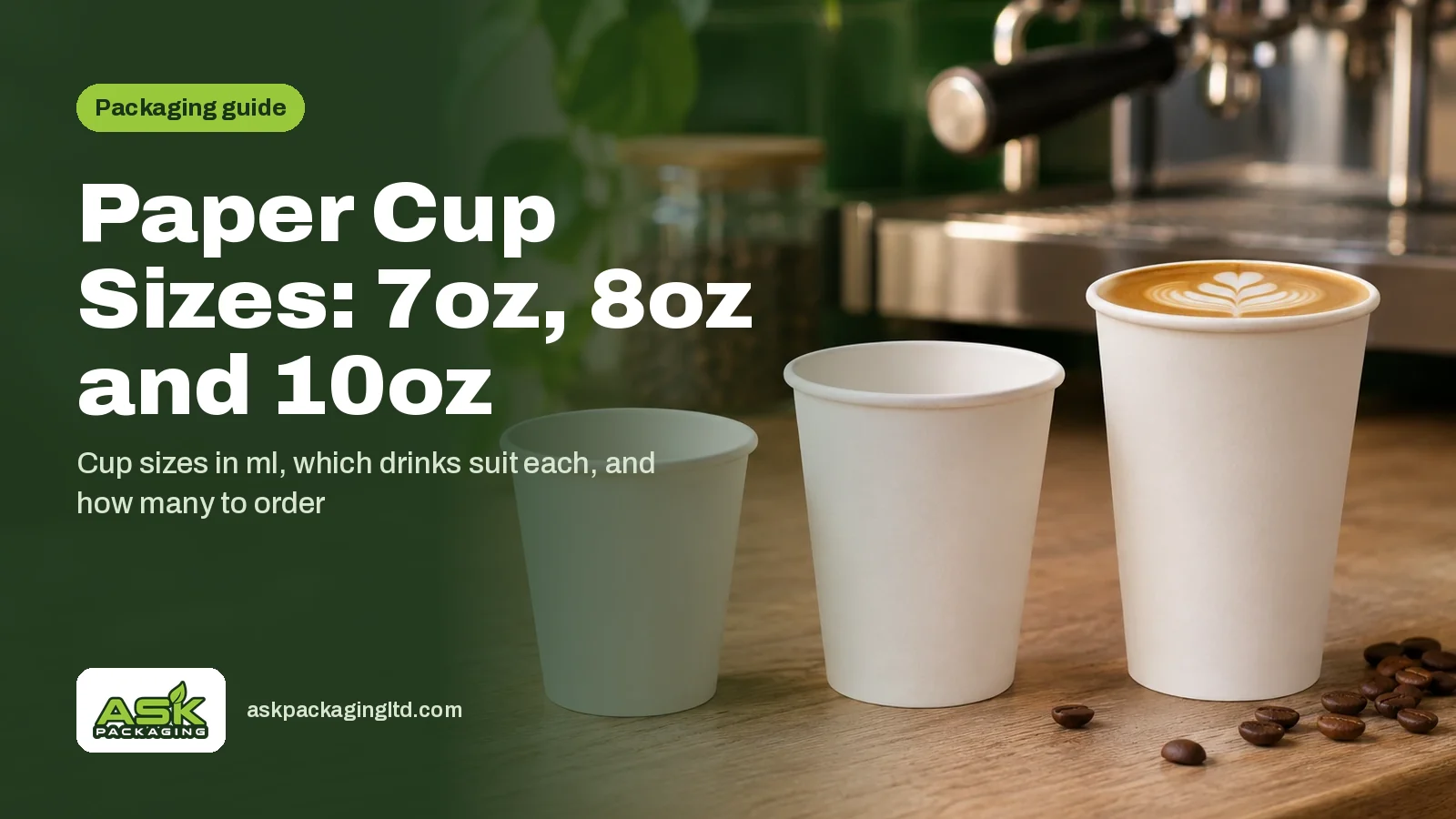
The three most common paper cup sizes are 7oz (about 200ml) for water and vending, 8oz (about 240ml) for a regular tea or coffee, and 10oz (about 290ml) for lattes, cappuccinos and larger drinks. Cups are rarely filled to the brim, so the drink served is a little less.
Key takeaways
- 7oz is about 200ml, 8oz about 240ml and 10oz about 290ml.
- Most cafés stock two sizes, often 8oz for regular and 10oz or 12oz for large.
- Leave 1 to 2cm at the top so drinks do not spill when carried.
- Order by your busiest day x days between deliveries, plus about 10%.
Paper cup sizes at a glance
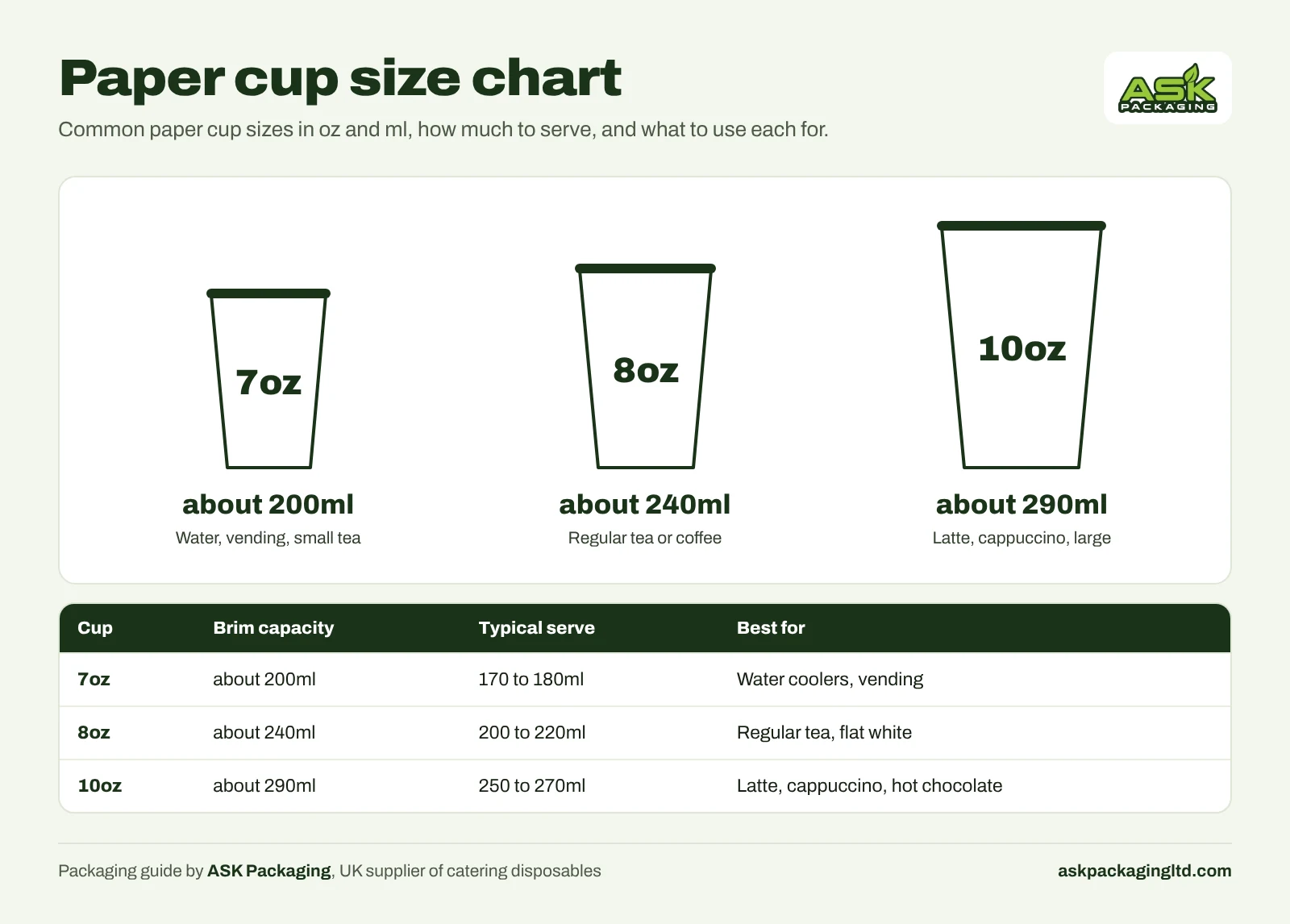 Open full size
| Cup size | Approx. ml | Typical serve | Best for |
|---|---|---|---|
| 7oz | 200ml | 170 to 180ml | Water coolers, vending, small tea, espresso-based small drinks |
| 8oz | 240ml | 200 to 220ml | Regular tea, flat white, Americano, small coffee |
| 10oz | 290ml | 250 to 270ml | Latte, cappuccino, large tea, hot chocolate, iced drinks |
| 12oz | about 350ml | about 320ml | Large coffee (not in our range) |
Cup sizes are trade names. The ml figure on the product is the most reliable guide to what a cup actually holds, because UK and US fluid ounces differ slightly and cups are measured to the brim.
How many ml is an 8oz cup?
An 8oz paper cup holds about 240ml to the brim. In practice, a café serves around 200 to 220ml in it, leaving room so the drink does not spill. That makes 8oz the standard size for a regular tea or coffee in the UK.
Which drinks suit each size?
7oz cups
The classic size for water coolers, vending machines and office tea points. Also good for tasting samples, a small tea or a child’s hot chocolate.
8oz cups
The everyday regular size. It suits tea, Americano, flat white and a small latte. Many sandwich shops and bakeries only stock 8oz.
10oz cups
The large size for milky drinks. Lattes and cappuccinos need room for foam, so they go in the bigger cup. 10oz also suits hot chocolate, large tea and cold drinks.
How to choose cup sizes for a café
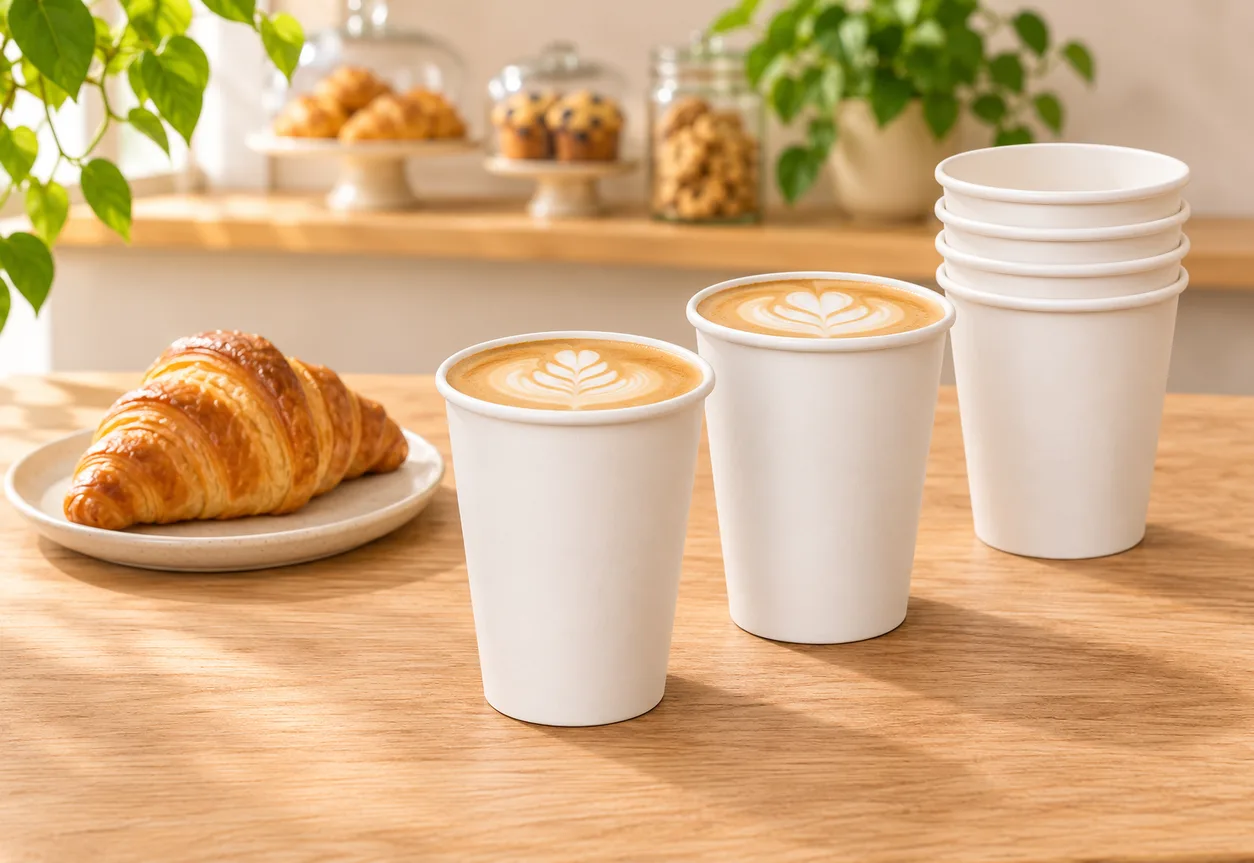
Most cafés stock two sizes: a regular and a large. A common pairing is 8oz and 10oz. Fewer sizes keep stock, storage and pricing simple, and staff make fewer mistakes at the machine.
- Coffee-led café: 8oz and 10oz.
- Bakery or sandwich shop: 8oz only, adding 10oz if lattes sell well.
- Office or reception: 7oz for water, 8oz for hot drinks.
If you use a bean-to-cup machine, set each drink volume to match the cup you stock, then test one cup of each drink before service.
Cup sizes for offices and events
- Water coolers and vending: 7oz cups.
- Office tea and coffee point: 8oz cups suit most drinks.
- Events and conferences: plan two to three hot drinks per guest across a day, plus water cups.
- Weddings: one cup per guest for tea and coffee after the meal, plus 20% spare.
How much to fill each cup
Leave a gap at the top so drinks do not spill when carried. As a guide: – 7oz cup: serve about 170 to 180ml. – 8oz cup: serve about 200 to 220ml. – 10oz cup: serve about 250 to 270ml.
How many cups should I order?
- Count the hot drinks on your busiest day.
- Multiply by the number of days between orders.
- Add about 10% for spills, staff drinks and tasting.
Example: a café serving 120 hot drinks a day and ordering every two weeks (14 days) needs about 120 x 14 x 1.1 = 1,850 cups. A 1,000 pack of 8oz plus a 1,000 pack of 10oz covers that with a small buffer.
Single wall vs double wall cups
- Single-wall cups have one layer of paper. They are lighter, cheaper and stack tightly.
- Double-wall cups add an outer layer for insulation, so the cup is cooler to hold.
Our cups are single wall, with strong walls and a rolled rim, and they are suitable for hot drinks. For very hot drinks carried a long way, offer a sleeve or a second cup.
Do paper cups contain plastic?
Most paper cups for hot drinks have a thin waterproof lining so the paper does not soak through. Check the product details if you need a plastic-free cup. The England plastics rules ban foamed polystyrene cups, not lined paper cups, and paper cups are a common replacement. See our single-use plastic ban guide.
Cup lids
We do not currently sell lids. If you serve drinks to go, test a sample cup with your lid supplier first, because rim sizes vary between brands.
Common mistakes
- Serving lattes in an 8oz cup. The foam has no room and the drink spills.
- Stocking too many sizes. Three or four sizes slow down service and tie up cash in stock.
- Ordering by the week without a buffer. One busy weekend can empty your shelf.
- Buying cups before checking lid fit. Test a sample first.
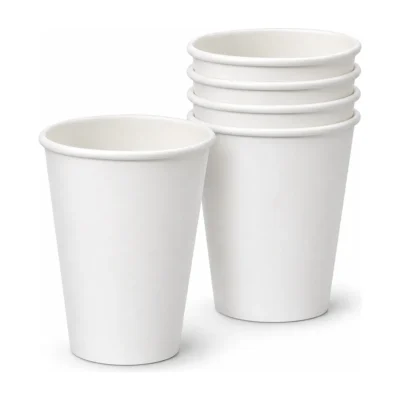
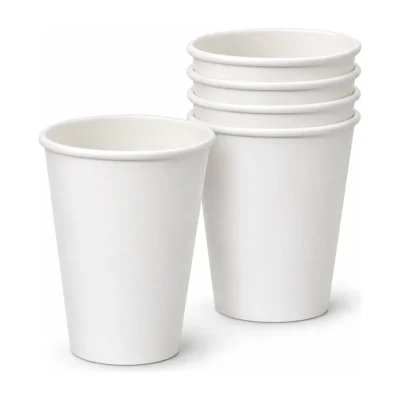
Products in this guide
Prices include VAT, with free UK mainland delivery and no minimum order.
Frequently asked questions
How many ml is a 7oz paper cup?
A 7oz paper cup holds about 200ml to the brim. Most people serve around 170 to 180ml in it, which makes it the usual size for water coolers and vending.
How many ml is a 10oz paper cup?
A 10oz paper cup holds about 290ml to the brim. It is the usual size for a latte, cappuccino or large tea, served with roughly 250 to 270ml of drink.
What size is a standard coffee cup in the UK?
An 8oz cup, about 240ml, is the standard regular size in the UK. Large drinks are usually served in 10oz or 12oz cups, depending on the café.
What is the difference between nominal and usable cup capacity?
Nominal capacity is the size a cup is sold as, measured to the brim. Usable capacity is what you serve, a little less so drinks do not spill.
Which cup size is best for vending machines?
7oz is the most common vending and water-cooler size. Check your machine's settings, because the dispensed volume must match the cup to avoid overfilling.
Are your paper cups suitable for hot drinks?
Yes. Our cups are single wall, with strong walls and a rolled rim, and they are suitable for tea, coffee and hot chocolate. Offer a sleeve for very hot drinks.
How many paper cups do I need for an event?
Plan two to three hot drinks per guest across a full day, plus water cups. For an evening event, plan one hot drink per guest plus 20% spare.
About ASK Packaging
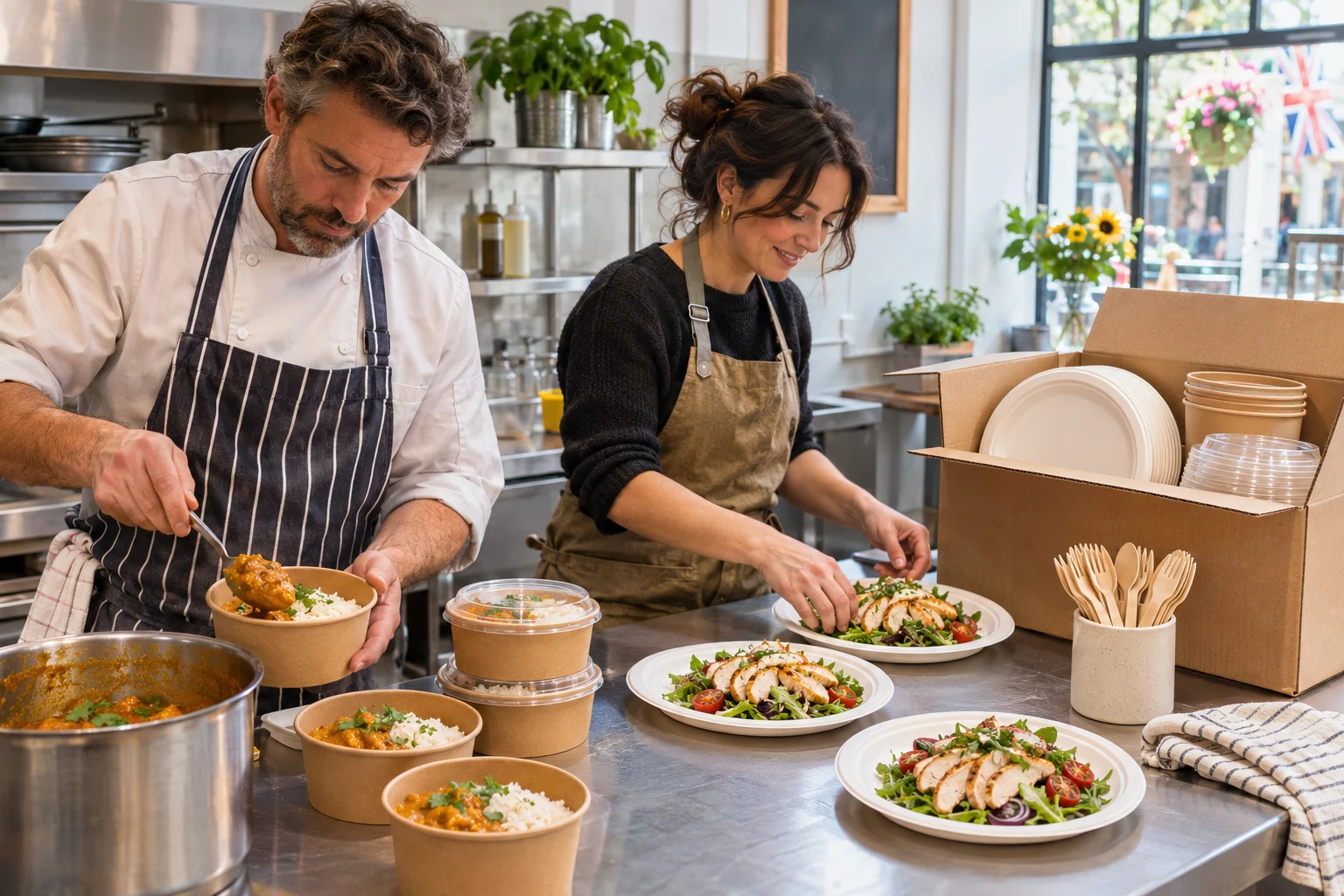
ASK Packaging Ltd supplies plates, bowls, food containers, bags, cups, napkins and cutlery to cafés, takeaways, caterers and event hosts across the UK. We are based in Wellingborough, Northamptonshire, and have been trading since 2018. Our guides are written from the questions our customers ask us every day.